Additional Works
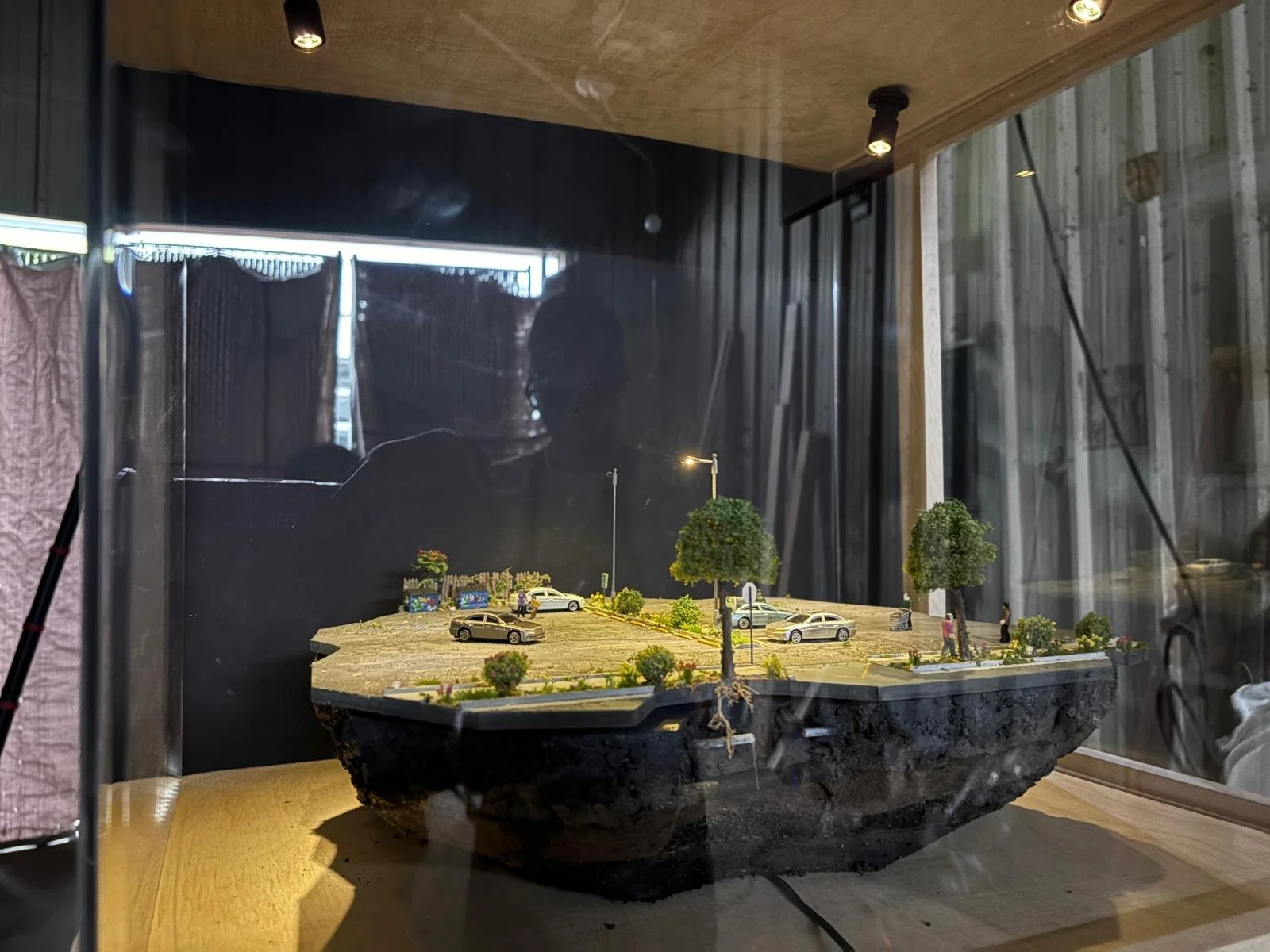
Forest School
What if the ground beneath our buildings was treated as something to protect rather than conquer?
My research began with vernacular communities whose relationship with nature has shaped the way they build. The traditional homes of the Lepcha people in Sikkim are elevated on stone footings, allowing the earth beneath to breathe while protecting the structure from moisture, earthquakes, and landslides. Similar ideas appear across Japan, Switzerland, and the Himalayan region, where buildings have evolved over generations by responding to climate, terrain, and natural forces rather than resisting them.
These precedents led me to explore architecture through the lenses of Rights of Nature, More-than-Human design, and Environmental Justice, questioning whether foundations could become ecological systems instead of permanent scars on the landscape.
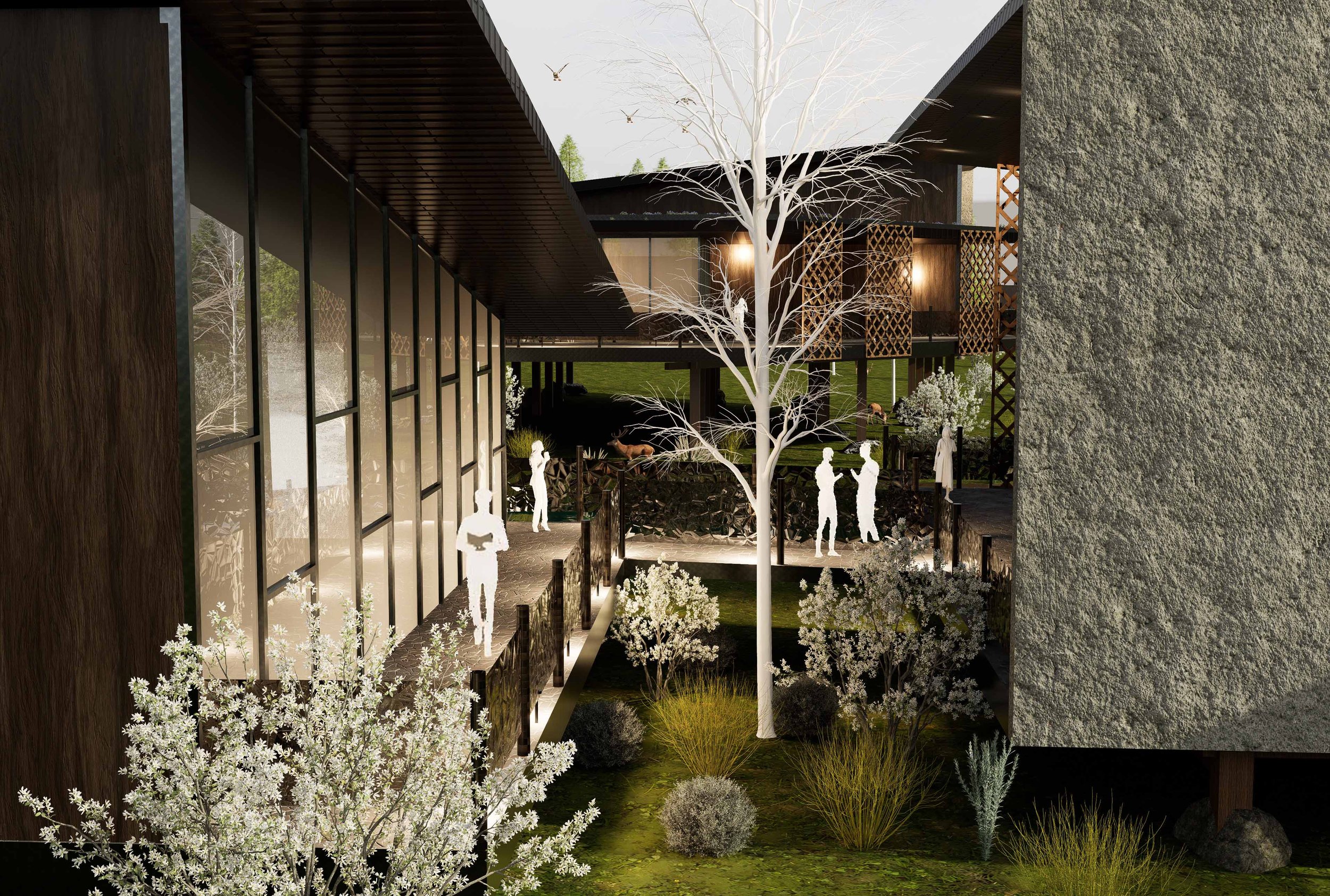
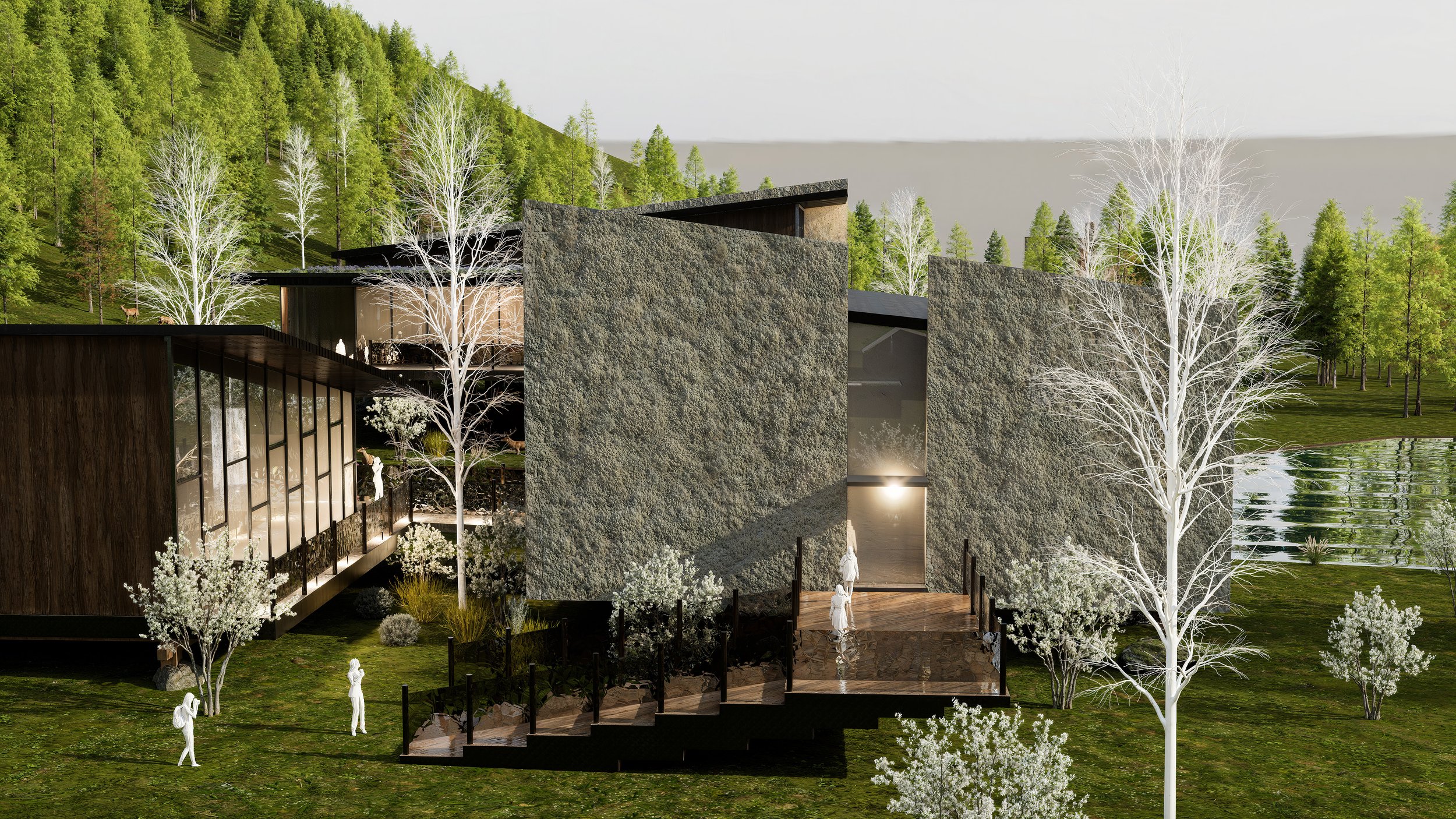
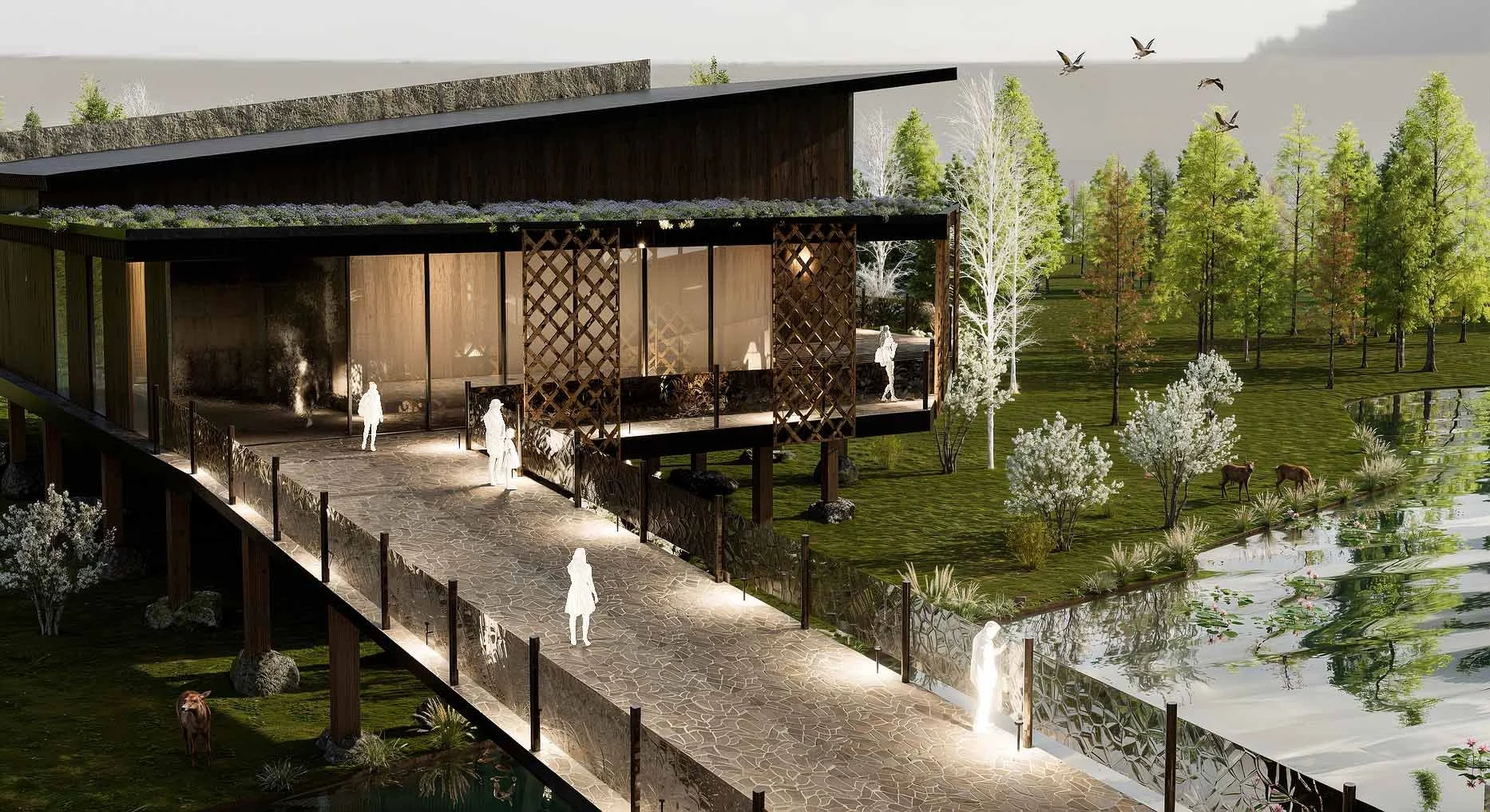
The result is an Ecological Learning Center, where the building is gently elevated above the ground using a contemporary interpretation of these traditional foundation systems. By minimizing contact with the earth, the design protects soil health, preserves natural drainage, allows wildlife to move freely beneath the building, and creates opportunities for small habitats to exist alongside human occupation. Rather than separating people from nature, the architecture encourages coexistence.
The school itself becomes a living classroom. Students learn about forests, biodiversity, ecology, and stewardship while inhabiting a building that reflects those same values. Every design decision, from the foundation to the landscape, is intended to demonstrate that resilience is not only about withstanding earthquakes or the passage of time, but also about respecting the living systems that make a place home.